How to Roast Parsnips: Easy Steps for Sweet, Caramelized Perfection
Are you searching for a delicious, often-overlooked vegetable side dish that’s both easy to prepare and incredibly flavorful? Look no further than
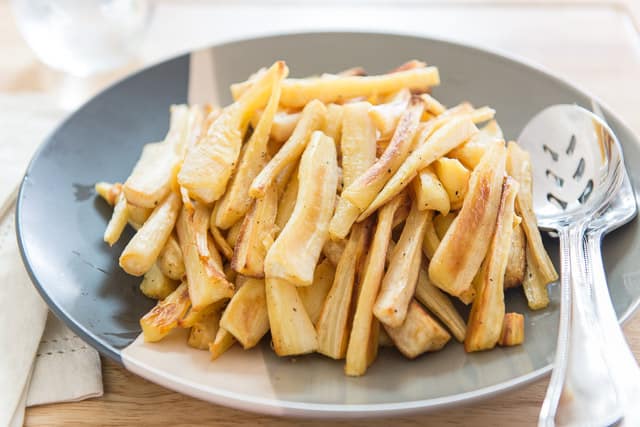
roasted parsnips! These humble root vegetables, closely related to carrots but with their own distinct charm, undergo a magical transformation in the oven. Roasting them coaxes out their natural sugars, leading to a tender interior and beautifully caramelized edges that are truly irresistible. If you're ready to discover a new favorite, prepare to learn how to roast parsnips to sweet, savory perfection.
This comprehensive guide will walk you through everything you need to know, from selecting the best parsnips to mastering the roasting technique, ensuring you achieve that desired sweet and caramelized goodness every single time. Get ready to elevate your meal with
Roasted Parsnips: Your New Favorite Easy & Flavor-Packed Side Dish.
Why Roasted Parsnips Are a Must-Try Side Dish
Parsnips have long been a staple in European cuisine, particularly during colder months, yet they remain somewhat underutilized in many kitchens. That's a culinary crime, especially when you consider how easy they are to prepare and how rewarding the results can be.
Unlocking a Unique Flavor Profile
While often compared to carrots due to their appearance and root vegetable classification, parsnips offer a distinctly different taste. Raw, they can be a bit starchy and fibrous. However, roasting them at a high temperature does something truly special:
- Natural Sweetness Awakened: The intense heat caramelizes the natural sugars within the parsnip, transforming its earthy notes into a profound sweetness that’s deeper and more complex than that of a carrot. This is where the magic happens, creating those coveted golden-brown edges.
- Earthy and Nutty Undertones: Beyond the sweetness, roasted parsnips retain a wonderful earthiness with a subtle nutty finish. This unique flavor combination makes them incredibly versatile and a fantastic counterpoint to richer main courses.
This combination of sweetness, earthiness, and nutty undertones means that
Beyond Carrots: Discover the Sweet & Earthy Flavor of Roasted Parsnips is an experience you won't regret.
Effortless Elegance for Any Meal
One of the greatest appeals of roasted parsnips is their simplicity. With just a few basic ingredients and minimal hands-on time, you can create a side dish that feels gourmet. They are incredibly versatile, pairing beautifully with:
- Hearty roasts (chicken, beef, pork, lamb)
- Holiday meals (Thanksgiving, Christmas)
- Weeknight dinners (alongside fish or a simple protein)
- Vegetarian main dishes (as a substantial and flavorful component)
Their ease of preparation makes them an ideal choice when you want a delicious, impressive side without a lot of fuss.
Selecting & Preparing Your Parsnips for Optimal Roasting
The journey to perfect roasted parsnips begins with proper selection and preparation. A little attention to detail here will ensure the best possible flavor and texture.
Choosing the Best Parsnips
When you’re at the grocery store, look for parsnips that are:
- Firm and Smooth: They should feel firm to the touch with smooth skin, free from excessive blemishes, soft spots, or cracks.
- Smaller is Better: Opt for smaller to medium-sized parsnips. These tend to be younger, more tender, and sweeter. Larger parsnips can sometimes be woody in the core and less flavorful. You’ll often find them prepackaged in bags near the carrots.
Cleaning and Trimming
Once you have your parsnips, a little prep goes a long way:
- Wash Thoroughly: Rinse the parsnips under cold running water, scrubbing off any dirt.
- Peel (Optional but Recommended): While the skin is edible, especially on younger parsnips, peeling them generally results in a more tender texture and a cleaner look. Use a vegetable peeler to remove the outer layer.
- Trim Ends: Cut off the top (stem end) and the very tip of the root end.
The Art of Consistent Cutting
This step is crucial for even cooking and achieving that uniform caramelization.
- Halve Larger Ends: For thicker parsnips, particularly at the wider top end, cut them in half lengthwise. This helps create more uniform pieces.
- Slice Diagonally: Slice the parsnips on the diagonal into pieces that are approximately 1/4 to 1/2 inch thick. Diagonal cuts provide more surface area for browning and an appealing presentation.
- Keep Pieces Similar in Size: The key here is consistency. If some pieces are significantly thicker or thinner than others, they will cook at different rates, leading to some being overcooked and mushy while others are still raw. Aim for all pieces to be roughly the same size to ensure they become fork-tender and beautifully caramelized simultaneously. Remember, vegetables will shrink slightly during cooking, so don't make the pieces too tiny.
The Ultimate Guide to Perfectly Roasted Parsnips
Now for the main event! Follow these simple steps to create incredibly flavorful and tender
roasted parsnips.
Gather Your Ingredients:
- 1-1.5 lbs parsnips, peeled and cut into uniform pieces
- 2-3 tablespoons olive oil
- 1 teaspoon garlic salt (or 1/2 tsp garlic powder + 1/2 tsp salt)
- 1/2 teaspoon onion powder
- 1/4 teaspoon black pepper
- Optional: Fresh herbs (like parsley, rosemary, or thyme, chopped) for garnish
- Optional: A drizzle of honey or maple syrup for an extra sweet glaze
Step-by-Step Roasting Instructions:
- Preheat Your Oven & Prepare Baking Sheet: Preheat your oven to 400°F (200°C). While some recipes suggest 425°F for faster browning, 400°F offers a slightly more forgiving roast, allowing the parsnips to soften nicely before intensely caramelizing. Line a large baking sheet with parchment paper. This prevents sticking and makes cleanup a breeze.
- Season the Parsnips: Place your cut parsnips into a large bowl. Drizzle with the olive oil, then sprinkle evenly with garlic salt, onion powder, and black pepper. Toss everything together thoroughly with your hands or a spoon, ensuring every piece of parsnip is lightly coated in oil and seasoning. This even coating is vital for consistent flavor and browning.
- Spread in a Single Layer: Transfer the seasoned parsnips onto the prepared baking sheet. Spread them out in a single layer, making sure the pieces do not overlap or touch too much. This is a critical step! Overcrowding the pan will cause the parsnips to steam rather than roast, resulting in soggy, uncaramelized vegetables. If you have a lot of parsnips, use two baking sheets.
- Roast to Perfection: Place the baking sheet in the preheated oven. Roast for 25 to 35 minutes, or until the parsnips are fork-tender and have developed beautiful golden-brown, caramelized edges. Be sure to flip or toss the parsnips halfway through cooking (around the 12-18 minute mark) to ensure even browning on all sides. Cooking times can vary based on the size of your parsnip pieces and your oven's calibration.
- Finishing Touches: Once roasted to your liking, remove the parsnips from the oven. Transfer them to a serving dish. If desired, sprinkle with fresh chopped parsley, or a light drizzle of olive oil, and season with additional salt and pepper to taste. If you opted for a honey or maple glaze, you can drizzle it on during the last 5-10 minutes of roasting or immediately after removing them from the oven. Serve hot and enjoy!
Expert Tips for Unforgettable Roasted Parsnips
Mastering the art of
roasting parsnips involves a few key principles that guarantee success every time.
Don't Overcrowd the Pan
We touched on this, but it bears repeating:
overcrowding is the enemy of caramelization. When vegetables are packed too closely, they release moisture, creating steam. This steamy environment prevents the parsnips from browning properly, leaving you with limp, steamed vegetables instead of tender, caramelized ones. Always spread them in a single layer, giving each piece a little breathing room. If in doubt, use two baking sheets.
Optimal Oven Temperature
The sweet spot for roasting parsnips is typically between 400°F and 425°F.
- 400°F (200°C): Provides a slightly slower, more gentle roast, allowing the parsnips to fully soften while developing rich caramelization. This is often a great starting point for beginners.
- 425°F (220°C): Will achieve browning and tenderness more quickly, perfect if you're in a hurry, but requires a bit more vigilance to prevent burning.
Either temperature works, so feel free to adjust based on your preference and oven’s performance.
Flavor Variations to Explore
While olive oil, garlic, onion powder, salt, and pepper create a classic and delicious base, don't be afraid to experiment!
- Sweet & Savory Glaze: For an extra layer of sweetness, drizzle the parsnips with 1-2 tablespoons of honey or maple syrup during the last 10 minutes of roasting. This creates a beautiful, sticky glaze.
- Herbaceous Aromas: Fresh herbs complement parsnips wonderfully. Toss them with fresh rosemary sprigs, thyme leaves, or chopped sage before roasting. A sprinkle of fresh dill or parsley at the end adds brightness.
- Spicy Kick: For those who enjoy a little heat, add a pinch of red pepper flakes or a dash of smoked paprika along with the other seasonings.
- Citrus Brightness: A squeeze of fresh lemon juice over the roasted parsnips just before serving can cut through the richness and add a lovely tang.
Check for Doneness Consistently
The best way to tell if your
roasted parsnips are ready is to pierce them with a fork. They should be easily pierced and feel tender, but not mushy. Look for those deep golden-brown edges – that's where much of the intense caramelized flavor lies!
Serving Suggestions
Roasted parsnips are incredibly versatile. They shine as a standalone side dish, but also pair beautifully with:
- Roast chicken, turkey, or duck
- Seared pork chops or beef tenderloin
- Holiday feasts alongside stuffing and mashed potatoes
- Even as a delightful addition to a warm winter salad.
Conclusion
There you have it – a comprehensive guide to mastering the art of
roasted parsnips. This simple technique transforms an often-overlooked root vegetable into a sweet, earthy, and incredibly satisfying side dish. With their tender interior and delightfully caramelized exterior, roasted parsnips are sure to become a cherished addition to your culinary repertoire. Don't shy away from experimenting with different seasonings and glazes to discover your perfect rendition. So, grab some parsnips, preheat your oven, and prepare to enjoy the sweet, savory perfection of this truly outstanding vegetable. Your taste buds will thank you!