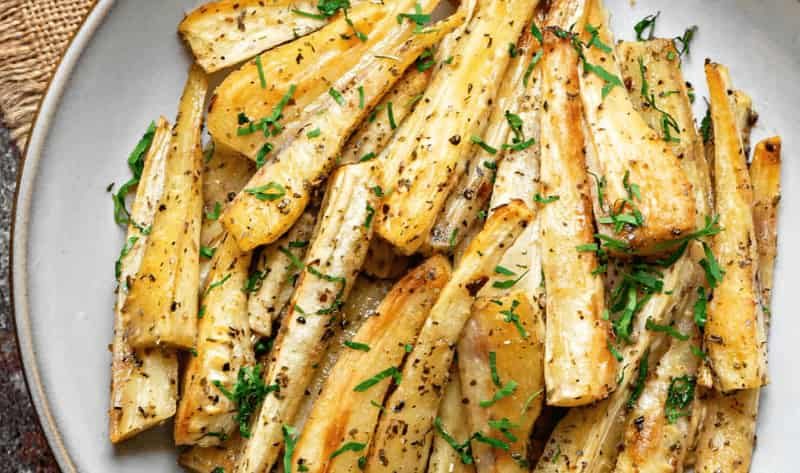
Beyond Carrots: Discover the Sweet & Earthy Flavor of Roasted Parsnips
Often overshadowed by its vibrant orange cousin, the humble parsnip holds a culinary secret waiting to be unearthed. While many might mistake it for a white carrot, this root vegetable offers a distinctly captivating flavor profile that transforms into something truly magical when roasted. Forget everything you thought you knew about parsnips; when prepared correctly, roasted parsnips become a tender, caramelized, and intensely flavorful side dish that promises to surprise and delight your palate.
Imagine a symphony of earthy notes mingling with a delicate, almost buttery sweetness, all encased in a slightly crisp, golden-brown exterior. That's the hallmark of perfectly roasted parsnips – a winter comfort food that deserves a permanent spot on your dinner table, not just during the holidays.
The Unsung Hero: What Makes Roasted Parsnips So Special?
Parsnips are more than just a paler version of a carrot. They are a root vegetable in their own right, boasting a unique character that sets them apart. While related to carrots, their taste journey diverges significantly. Carrots are typically sweet and slightly peppery; parsnips, on the other hand, offer a more complex and nuanced experience. Raw, they can be starchy and somewhat woody, but the magic truly happens under the intense heat of an oven.
Roasting is the culinary key that unlocks the parsnip's full potential. This cooking method initiates two crucial chemical reactions: caramelization and the Maillard reaction. As the parsnips' natural sugars interact with the dry heat, they caramelize, developing a profound sweetness and a rich, nutty depth that is utterly irresistible. The Maillard reaction contributes to the desirable browning and crispy edges, adding layers of savory complexity. The result is a vegetable that is sweet, earthy, slightly nutty, and wonderfully tender with those coveted caramelized edges that are truly the "best part."
This transformation makes roasted parsnips an incredibly versatile and appealing side dish. Even those who claim not to like root vegetables often find themselves reaching for seconds. They are a simple yet elegant accompaniment to a wide range of main courses, from succulent roasts and hearty stews to delicate fish and grilled chicken.
Mastering the Art of Perfect Roasted Parsnips: A Step-by-Step Guide
Achieving perfectly tender and caramelized roasted parsnips is surprisingly straightforward. It requires minimal ingredients and a few key techniques to ensure optimal results every time.
1. Preheat and Prep Your Pan
- Preheat your oven to 400-425°F (200-220°C). This temperature range is ideal for achieving both tenderness and browning without burning.
- Line a large baking sheet with parchment paper. This prevents sticking, makes cleanup a breeze, and helps with even cooking by preventing hot spots from direct contact with the metal pan.
2. Select and Prepare Your Parsnips
- Selection: When buying parsnips, look for smaller, thinner ones. These are typically younger, more tender, and have a milder, sweeter flavor. Avoid parsnips that are soft, withered, or have significant blemishes. They should feel firm to the touch.
- Peeling: For younger, smaller parsnips, a thorough scrub might suffice. However, for larger or older parsnips, peeling them with a vegetable peeler is recommended to remove the tougher outer skin and any fibrous core.
- Cutting: Uniformity is key for even cooking!
- For very thick parsnips, cut them in half lengthwise first.
- Then, slice all parsnips on the diagonal into 1/4-inch to 1-inch thick pieces. Diagonal cuts expose more surface area for caramelization.
- Pro Tip: Don't make the pieces too small, as parsnips will shrink during cooking. Aim for consistency in size so every piece cooks at the same rate. Place all cut pieces into a large bowl.
3. Season and Spread
- Oil: Drizzle the parsnip pieces generously with 2 tablespoons of good quality olive oil. The oil helps distribute heat, promotes browning, and carries the flavors of your seasonings.
- Seasonings: Sprinkle with a balanced blend of flavors.
- Salt and freshly ground black pepper are non-negotiable.
- For an aromatic base, add onion powder and garlic salt (adjust regular salt accordingly if using garlic salt).
- Toss everything together thoroughly until all the parsnip pieces are evenly coated.
- Single Layer: Spread the seasoned parsnips onto the prepared baking sheet in a single layer. Crucially, avoid overcrowding the pan. If your pan is too full, the parsnips will steam instead of roast, resulting in a soggy, pale outcome. Use a second baking sheet if necessary.
4. Roast to Perfection
- Roast in the preheated oven for 25 to 40 minutes, depending on the thickness of your parsnips and your oven's calibration.
- Halfway through cooking (around 12-15 minutes), turn the parsnips over using a spatula. This ensures even caramelization and tenderness on all sides.
- Continue roasting until the parsnips are beautifully golden-brown, lightly caramelized at the edges, and fork-tender throughout.
5. Finish and Serve
- Remove from the oven and transfer to a serving dish.
- Garnish with fresh herbs like chopped parsley or dill for a burst of color and freshness.
- If desired, drizzle lightly with a touch more olive oil and season with additional salt and pepper to taste. Serve hot and enjoy the sweet, earthy goodness!
Elevate Your Parsnips: Flavor Variations and Serving Suggestions
While a simple olive oil and salt/pepper seasoning is delicious, roasted parsnips are incredibly adaptable to various flavor enhancements. Experiment to find your family's favorite!
Sweet & Savory Glazes
- Honey-Glazed Parsnips: During the last 10 minutes of roasting, drizzle 1-2 tablespoons of honey (or maple syrup for a vegan option) over the parsnips before returning them to the oven. This creates an even richer, sweeter, and stickier caramelization.
- Balsamic Glaze: A light drizzle of balsamic glaze (either store-bought or reduced homemade balsamic vinegar) after roasting adds a wonderful tangy counterpoint to the parsnips' sweetness.
Herbaceous Additions
- Rosemary and Thyme: Toss fresh sprigs of rosemary and thyme with the parsnips before roasting. Their piney, earthy notes beautifully complement the parsnip's flavor.
- Sage: Chopped fresh sage added at the beginning of roasting imparts a warm, aromatic quality that is particularly well-suited for autumn and winter meals.
Spice It Up
- Smoked Paprika: A pinch of smoked paprika can add a subtle smoky depth and a lovely reddish hue.
- A Touch of Heat: For those who like a little kick, a tiny pinch of cayenne pepper or red pepper flakes can be a delightful addition.
- Nutmeg: A whisper of freshly grated nutmeg enhances the parsnips' inherent sweetness.
Pairing Perfection
Roasted parsnips are a stellar side for a variety of main courses:
- Hearty Meats: They shine alongside roasted chicken, beef tips and gravy, lamb chops, pork loin, or a classic London broil. Their sweetness cuts through the richness of the meat.
- Holiday Feasts: They are an elegant and flavorful alternative or addition to traditional holiday sides like mashed potatoes or roasted carrots.
- Vegetarian Mains: Serve them with a lentil loaf, mushroom Wellington, or alongside other roasted root vegetables for a vibrant plant-based meal.
- With Other Vegetables: They pair beautifully with other roasted vegetables like carrots, potatoes, sweet potatoes, or Brussels sprouts. Just ensure similar sizing for even cooking.
Beyond the Basics: Tips for Success and Common Pitfalls
To ensure your roasted parsnips are consistently excellent, keep these extra tips in mind:
- Don't Skimp on Oil: While you don't want them swimming in oil, a sufficient amount is crucial for good caramelization and to prevent sticking.
- Listen to Your Oven: Oven temperatures can vary. Keep an eye on your parsnips, especially towards the end of the cooking time, and adjust as needed. They should be tender but not mushy.
- Cold Oven is a No-Go: Always preheat your oven fully. Putting vegetables into a cold oven will result in steaming rather than roasting, leading to a limp texture.
- Scrub, Don't Always Peel: If your parsnips are young and small, and you've given them a good scrub, you can often leave the peel on. The peel contains nutrients and can add to the earthy flavor.
- Nutritional Boost: Beyond their delicious taste, parsnips are good for you! They are an excellent source of dietary fiber, vitamin C, vitamin K, and folate, making them a healthy addition to any meal.
- Storing Leftovers: Cooked roasted parsnips can be stored in an airtight container in the refrigerator for 3-4 days.
- Reheating: For best results, reheat leftover roasted parsnips in the oven or an air fryer to help them regain some of their crispness, rather than microwaving, which can make them soggy.
The journey to discovering the sweet and earthy charm of roasted parsnips is a rewarding one. This simple yet sophisticated side dish offers a depth of flavor that is often overlooked, proving that sometimes the best culinary treasures are found in the most unexpected places. So, next time you're at the grocery store, reach past the carrots and grab a bag of parsnips. With minimal effort, you'll create a dish that's sure to become a cherished addition to your recipe repertoire, bringing warmth, comfort, and exquisite flavor to your table.
